
The EqiWell Standard


Remote Learning, Real Life: Why Connection Still Matters
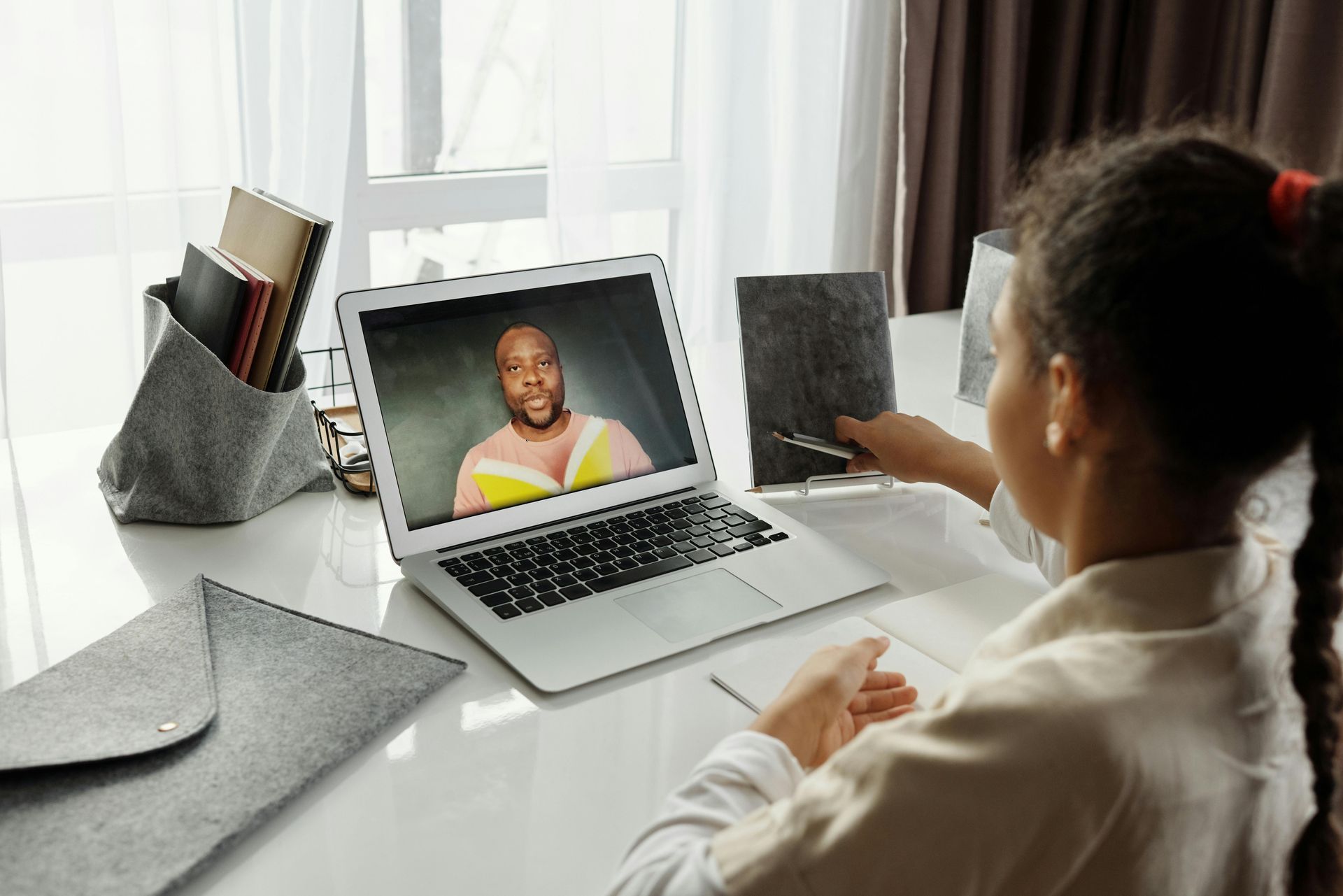
Remote learning has changed the landscape of healthcare education and for many students, it has opened doors that once felt permanently closed.
For the working parent.
For the single mother returning to school after ten years.
For the military veteran transitioning into civilian life.
For the caregiver balancing aging parents and personal ambition.
Online and remote learning environments have made education more flexible, more accessible, and more adaptable to real life.
And yet, flexibility alone is not enough.
Because while learning can happen anywhere, connection still has to happen intentionally.
The Power of Flexibility in a Real-World Context
Remote education has allowed students to integrate learning into their lives rather than forcing their lives to revolve entirely around a classroom schedule.
For many adult learners, that matters deeply.
Remote learning can provide:
- schedule flexibility
- reduced commuting time and expenses
- the ability to care for children or family members
- continued employment while studying
- access to programs that may not exist locally
For working students and returning learners, this flexibility is not convenience it is opportunity.
It allows education to become possible rather than postponed.
And when structured well, remote learning can also promote independence, time management, and self-discipline all of which are critical skills in healthcare.
Efficiency Does Not Mean Isolation
However, the rise of remote learning has also introduced new challenges.
Without intentional structure and engagement, students can begin to feel:
- disconnected
- unseen
- hesitant to ask questions
- overwhelmed by independent workload
- uncertain about expectations
Efficiency should never come at the cost of belonging.
In healthcare education especially, learning is not just about absorbing information. It is about professional formation developing communication skills, ethical awareness, accountability, and confidence.
These cannot grow in isolation.
Real-Life Skills Are Being Integrated in New Ways
One of the most powerful shifts in remote education is the integration of real-life skills directly into the learning process.
Remote learners must often practice:
- managing deadlines independently
- balancing work, family, and study
- communicating clearly in virtual spaces
- advocating for help proactively
- regulating stress without in-person reinforcement
These are not secondary skills. They are professional skills.
In healthcare, the ability to:
- manage competing responsibilities
- remain organized
- communicate through multiple channels
- take initiative
- remain accountable without constant supervision, are daily expectations.
Remote education, when guided properly, can strengthen these competencies early.
Connection From the Beginning Changes Everything
What makes remote learning truly effective is not the platform it is the people.
From the very beginning of a course, connection must be intentional.
Students need:
- clear communication
- consistent expectations
- structured check-ins
- space to ask questions without judgment
- encouragement that acknowledges their real-life responsibilities
Instructors, in turn, need:
- student engagement
- honest communication
- feedback loops
- accountability
- mutual respect
Connection is not automatic in virtual environments. It must be cultivated.
When instructors establish clarity and warmth from the start, students are more likely to:
- participate actively
- seek help early
- remain accountable
- complete programs successfully
- build confidence
And when students engage consistently, instructors can better support their growth.
Remote Does Not Mean Detached
One of the greatest misconceptions about online education is that it is less personal.
In reality, remote education can be deeply relational when both students and instructors show up intentionally.
It requires:
- responsiveness
- transparency
- empathy
- professionalism
- structure
In many cases, remote learners are some of the most determined individuals in a program. They are balancing jobs, children, finances, and life transitions while pursuing a better future.
They deserve structure.
They deserve clarity.
They deserve engagement.
They deserve instructors who see them even through a screen.
A Shared Responsibility
Successful remote learning is a shared responsibility.
Students must commit to:
- showing up prepared
- managing their time
- communicating proactively
- accepting feedback
- staying engaged
Instructors must commit to:
- being accessible
- setting clear standards
- creating space for dialogue
- maintaining professionalism
- fostering community
When both sides commit, remote education becomes more than convenient. It becomes transformative.
Raising the Standard in a Digital Age
At The EqiWell Standard, we believe that remote learning is not a lesser version of education it is a modern extension of it.
But it must be intentional.
Flexibility and efficiency are powerful tools.
Yet connection, accountability, and mutual respect remain the foundation of professional growth.
Whether in person or online, healthcare education carries responsibility.
And in a world where screens separate us physically, we must work even harder to remain connected professionally.
Because long after the Zoom sessions end and assignments are submitted, the habits, discipline, and communication skills developed in remote learning will follow students into patient care, teamwork, and leadership.
Remote learning can open doors.
Connection ensures students walk through them confidently.
About the Author
Mysheria Moore is the Founder of EqiWell Consulting, LLC and the voice behind The EqiWell Standard. She is a healthcare educator, mentor, and workforce development strategist focused on ethical practice, professional accountability, equity, and long-term career readiness in healthcare.